Sri Lanka’s cultural heritage is a tapestry woven from thousands of years of history, religion, and art. From ancient capitals and royal palaces to sacred temples and colonial forts, the island offers visitors a rich and diverse journey into the heart of South Asia’s past. Starting from Colombo, Sri Lanka’s capital and largest city, travelers can access numerous cultural sites within a few hours, each revealing a unique aspect of the country’s vibrant heritage.
Anuradhapura
Located approximately 205 kilometers north of Colombo, Anuradhapura is one of the oldest continuously inhabited cities in the world and a UNESCO World Heritage Site. As the first capital of ancient Sri Lanka, it is famous for its monumental stupas such as Ruwanwelisaya and Jetavanaramaya, ancient irrigation systems, and sacred sites including the revered Sri Maha Bodhi tree — the oldest planted tree in the world with an unbroken historical record. The city is a major pilgrimage site and offers an extraordinary glimpse into early Buddhist civilization with sprawling ruins set among serene landscapes.
Polonnaruwa
Situated around 210 kilometers northeast of Colombo, Polonnaruwa served as the island’s second medieval capital. Its extensive archaeological park houses the remains of palaces, temples, and statues from the 11th to 13th centuries, including the breathtaking Gal Vihara—four large rock-cut Buddha images considered masterpieces of Sinhalese rock carving. Polonnaruwa is also known for its sophisticated irrigation works and the massive Parakrama Samudra reservoir, symbolizing the advanced engineering skills of the time. Many visitors combine safaris in nearby Minneriya and Kaudulla National Parks with their cultural explorations here.
Kandy
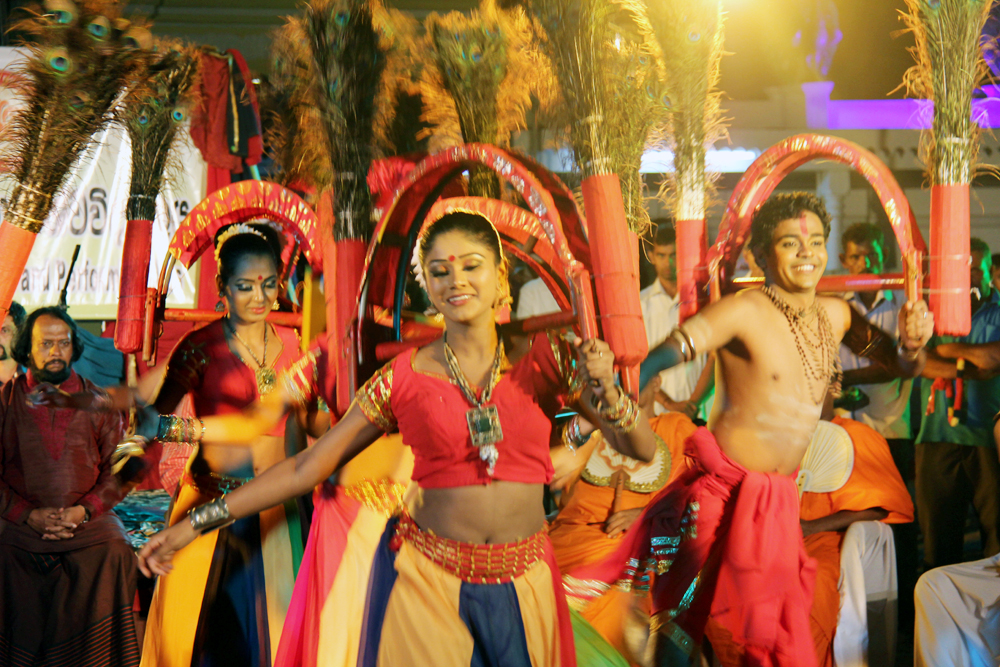
About 115 kilometers northeast of Colombo, Kandy sits in the lush central highlands and is famed as the last royal capital of the island. It houses the Temple of the Sacred Tooth Relic (Sri Dalada Maligawa), one of Buddhism’s most venerated shrines. The temple attracts pilgrims and tourists worldwide, especially during the grand Esala Perahera festival held annually with traditional dancers, drummers, and elaborately decorated elephants parading through the city. Kandy is also home to the Royal Botanical Gardens in Peradeniya, with over 4,000 plant species, and the Kandy Lake, a scenic spot surrounded by hills and temples.
Dambulla
Just 148 kilometers from Colombo near Sigiriya, Dambulla is renowned for its magnificent Golden Temple, a vast complex of five caves adorned with over 150 Buddha statues and intricate murals that date back over two millennia. As a UNESCO World Heritage Site, it represents one of the best-preserved examples of ancient Buddhist art in Asia. The caves provide a fascinating insight into Sri Lanka’s religious devotion and artistic achievements, set amidst tranquil surroundings.
Sigiriya
Located about 175 kilometers from Colombo, Sigiriya—also called Lion Rock—is a towering rock fortress built in the 5th century by King Kashyapa. Declared a UNESCO World Heritage Site, it features ancient frescoes, elaborate water gardens, and a massive gateway shaped like a lion’s paws. Climbing Sigiriya rewards visitors with stunning panoramic views of the surrounding forest and farmland. It remains one of Sri Lanka’s most iconic cultural landmarks, blending architecture, art, and nature in a dramatic setting.
Galle
Around 140 kilometers south of Colombo, Galle is a historic fortified city on the southwestern coast. The Galle Dutch Fort, built by Portuguese and expanded by the Dutch in the 17th century, is a UNESCO World Heritage Site showcasing well-preserved colonial architecture, cobblestone streets, and bastions overlooking the sea. Galle is also known for its vibrant art scene, quaint cafes, museums, and nearby beaches like Unawatuna. Walking the ramparts of the fort offers a journey back to colonial times amidst a charming coastal town.
Jaffna
About 400 kilometers north of Colombo, Jaffna offers a distinct cultural experience influenced by Tamil heritage. The city is home to Hindu temples like the Nallur Kandaswamy Kovil, ancient forts, and a rich tradition of music, festivals, and cuisine. Jaffna’s libraries, colorful markets, and nearby islands add to its unique charm. This region has undergone a cultural revival in recent years, inviting visitors to explore its historical richness and vibrant community.
Mihintale
Approximately 200 kilometers from Colombo and close to Anuradhapura, Mihintale is considered the cradle of Buddhism in Sri Lanka. It is where the Buddhist monk Mahinda met King Devanampiyatissa in the 3rd century BCE, leading to the introduction of Buddhism to the island. The site is dotted with ancient stupas, temples, and meditation caves set on a rocky hill offering spectacular views. Pilgrims often climb the 1,840 steps to the summit, making it a spiritually significant and visually stunning destination.