Sri Lanka, once known as Ceylon, is world-famous for its high-quality tea, cultivated extensively in the lush central highlands. Visiting tea plantations is a must for tourists seeking breathtaking landscapes, refreshing mountain air, and an insight into the island’s colonial heritage and tea-making traditions. Starting from Colombo, visitors can explore several charming towns and estates where tea grows in abundance, each offering unique experiences and spectacular views.
Nuwara Eliya
Located approximately 170 kilometers east of Colombo, Nuwara Eliya is often called “Little England” for its cool climate and colonial architecture. Nestled in the central highlands at around 1,868 meters above sea level, it is the heart of Sri Lanka’s tea country. The surrounding hills are carpeted with emerald-green tea bushes, and numerous tea estates and factories offer guided tours where visitors can learn about tea plucking, processing, and tasting. Attractions like the Pedro Tea Estate and the historic tea factories provide fascinating insights into the journey from leaf to cup. Nuwara Eliya also offers beautiful botanical gardens, a serene lake, and charming colonial bungalows, making it a perfect base for tea tourism.
Hatton
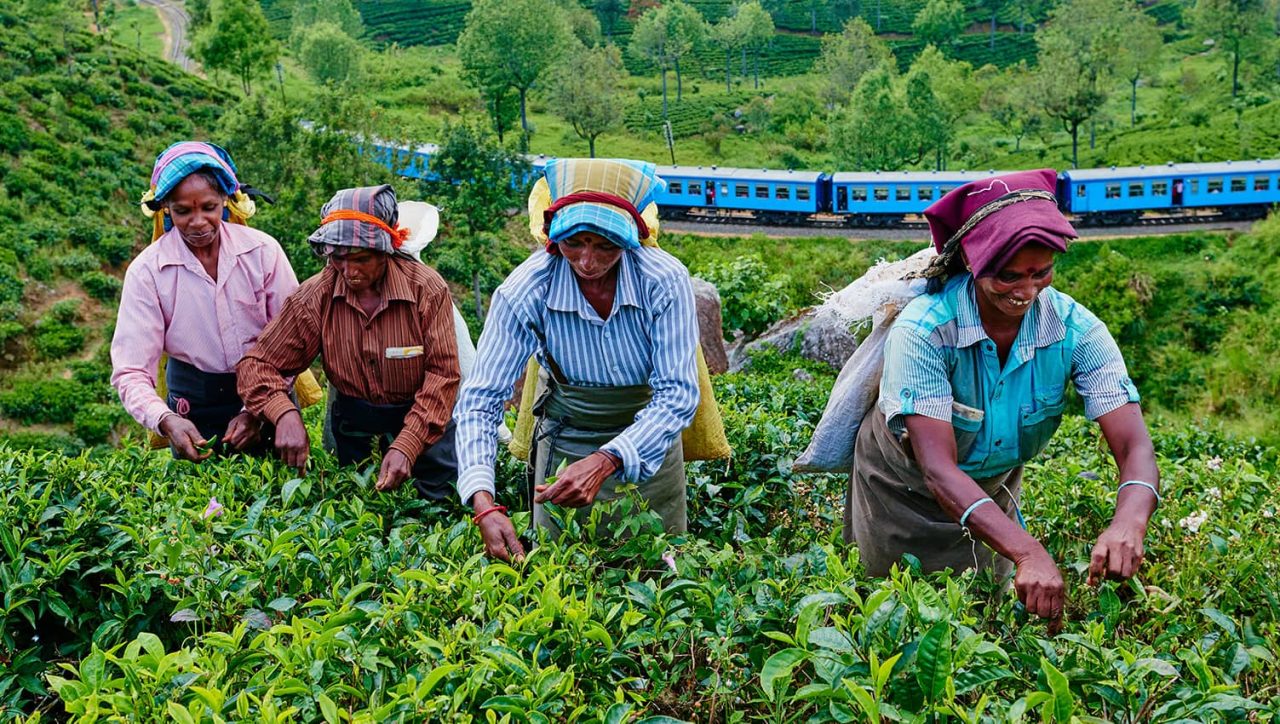
Approximately 130 kilometers from Colombo, Hatton is another key gateway to the tea plantations in the central highlands. This bustling town is located near the famous Adam’s Peak (Sri Pada), but it is also surrounded by sprawling tea estates. Hatton serves as a transit hub for many tea factory visits and offers scenic train rides through misty hills and lush plantations. Visitors can explore working estates where tea pluckers—often women in traditional attire—harvest leaves by hand. The nearby plantations showcase the labor-intensive tea production process, reflecting the hard work behind Sri Lanka’s tea industry.
Ella
About 200 kilometers from Colombo, Ella is a picturesque mountain village famed for its stunning views and relaxing atmosphere. Surrounded by rolling tea plantations and verdant valleys, Ella offers visitors a chance to stroll through tea fields, visit small-scale tea factories, and savor local tea blends. Attractions such as the Demodara Nine Arch Bridge and Little Adam’s Peak complement the tea experience. Ella’s relatively cooler climate and natural beauty make it a popular stop for travelers exploring the hill country.
Bogawantalawa
Located approximately 120 kilometers from Colombo, Bogawantalawa is a lesser-known but fascinating tea-producing region. Known locally as “Bogawantha,” this area features high-altitude tea plantations with cool climates that produce some of Sri Lanka’s finest teas. Visitors here can tour boutique tea factories, sample specialty teas, and enjoy peaceful surroundings away from the typical tourist crowds. The region is ideal for those wanting a more intimate and authentic tea plantation experience.
Dickoya
Situated around 160 kilometers from Colombo near Nuwara Eliya, Dickoya is a quiet town surrounded by expansive tea estates. Visitors can tour factories such as the famous “Pedro Tea Factory,” one of the oldest in the country, which still uses traditional methods alongside modern techniques. The area offers lush landscapes and excellent photo opportunities, with misty hills and waterfalls nearby, making it a refreshing cultural stop.
Talawakele
Approximately 140 kilometers from Colombo, Talawakele is located on the scenic train route between Colombo and Nuwara Eliya and is surrounded by rolling tea estates. The town acts as a central point for tea plantation visits and has tea factories open to tourists. The beautiful countryside and easy access to other hill country attractions make Talawakele a convenient and charming destination for tea lovers.
Traveling to these tea regions from Colombo is easy via scenic train routes or by road, with travel times ranging from about 3 to 5 hours. The journey itself is part of the experience, as winding roads and train rides offer panoramic views of lush mountains, cascading waterfalls, and endless rows of tea bushes. For tourists, exploring Sri Lanka’s tea plantations is both an educational and rejuvenating adventure, showcasing the island’s natural beauty and cultural heritage through the lens of its world-renowned tea industry.